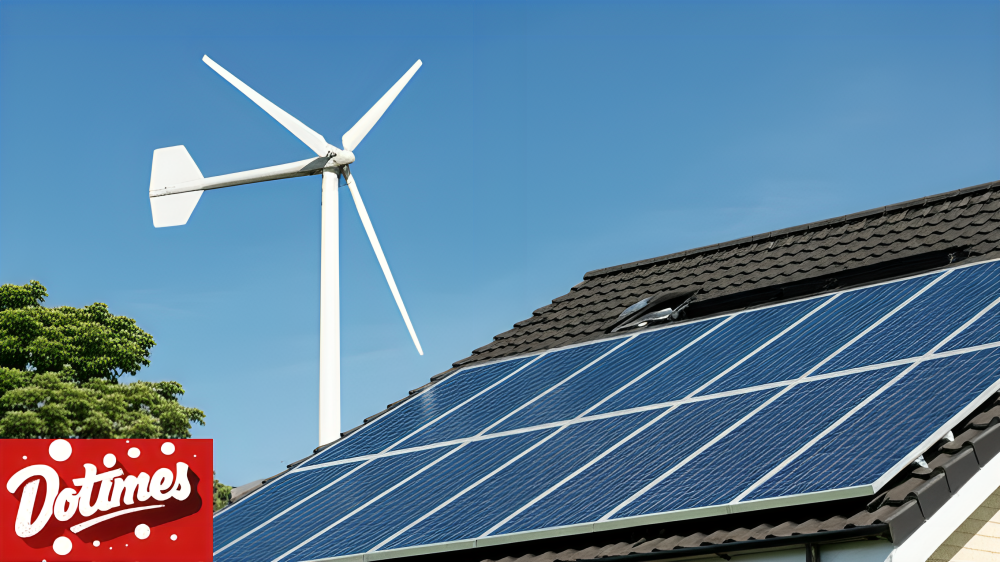

When it comes to shaping a cleaner, greener future, wind energy has become one of the most talked-about topics in the world of renewable power. Whether you’ve seen those towering turbines spinning gracefully along a hillside or out across the ocean, you’ve probably wondered — is wind energy really worth it? Well, buckle up, because the pros and cons of wind energy are more fascinating than most people realize.
Wind energy isn’t just a feel-good concept anymore. It’s a rapidly growing industry, powering millions of homes and businesses across the globe. But like anything worth discussing, it comes with its own set of strengths and weaknesses. In this article, we’ll walk through everything you need to know — the good, the not-so-good, and everything in between.
What Is Wind Energy and How Does It Work?
Before diving into the pros and cons of wind energy, it’s worth understanding what it actually is. Wind energy is electricity generated by harnessing the kinetic power of moving air. Wind turbines — those tall, elegant structures with spinning blades — capture wind and convert it into electricity through a generator inside the turbine tower.
There are two main types of wind energy systems:
- Onshore wind farms – Built on land, often in rural, open areas where wind speeds are consistent
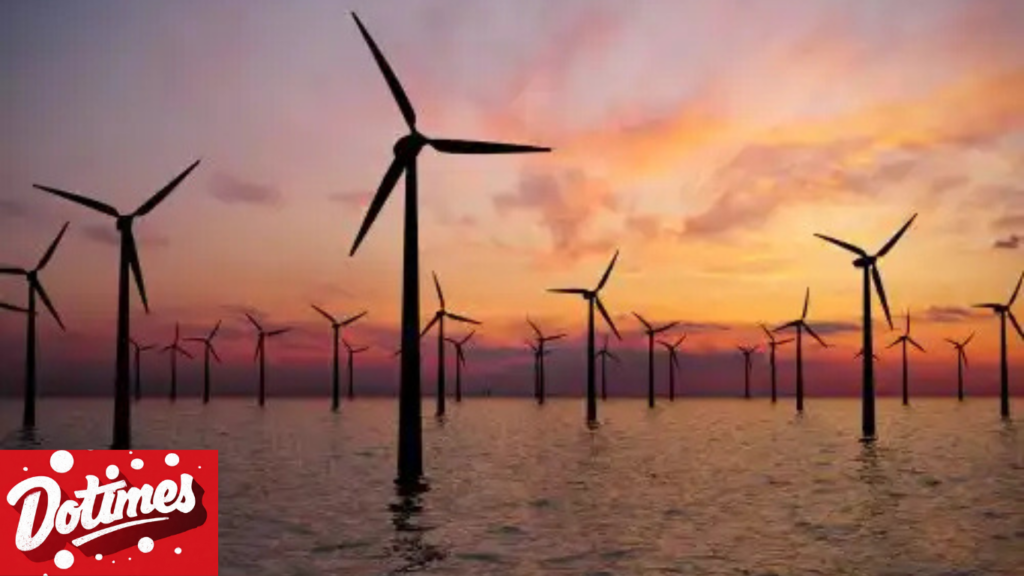
- Offshore wind farms – Constructed in bodies of water, typically the ocean, where winds are stronger and more reliable
Wind energy has been around for centuries in the form of windmills, but modern wind turbines are engineering marvels. A single large turbine can generate enough electricity to power hundreds of homes. That’s not just impressive — that’s transformative.
The Growing Importance of Wind Power in Today’s World
There’s no beating around the bush: climate change is real, and the world desperately needs cleaner sources of energy. Wind power has stepped up to the plate in a big way. According to the Global Wind Energy Council, wind energy now supplies a significant portion of electricity in countries like Denmark, Germany, the United States, China, and Spain.
In 2024 alone, global wind capacity reached record levels, with offshore wind installations breaking new ground. Governments, investors, and environmental organizations are rallying behind wind power as one of the most scalable solutions to reducing carbon emissions.
But hey — before we get carried away with excitement, let’s take an honest look at both sides.
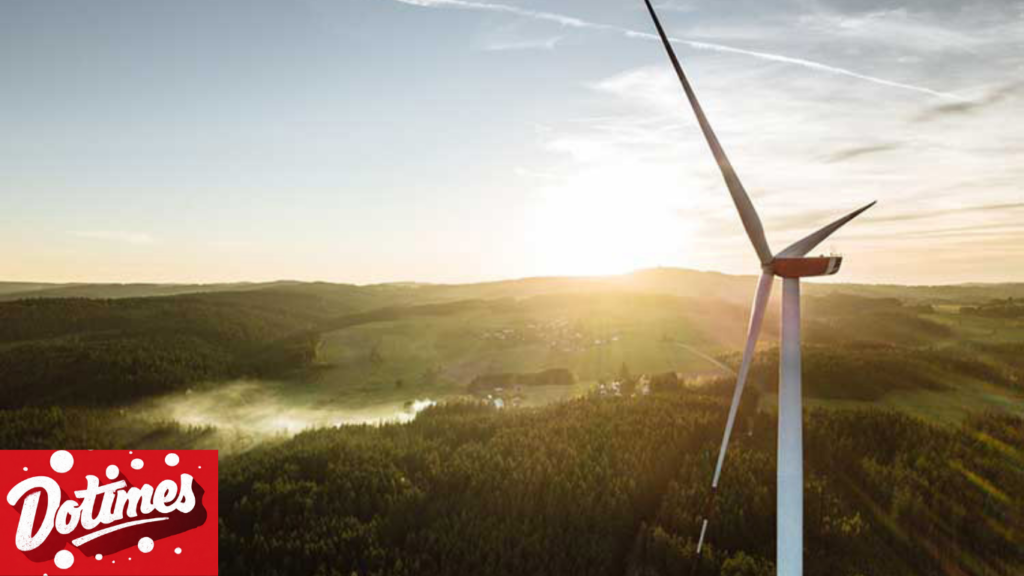
Major Pros of Wind Energy
This is where things really get exciting! Wind energy brings a whole lot of benefits to the table. Here are the key advantages that make it such a compelling option:
It’s Completely Renewable
Wind is free. It doesn’t run out. Unlike fossil fuels such as coal, oil, or natural gas — which took millions of years to form and are being depleted rapidly — wind is a natural resource that replenishes itself constantly. As long as the sun heats the Earth unevenly (which it will, for billions of years), there will always be wind.
Wind Energy Produces Zero Emissions
One of the most powerful arguments in any discussion of the pros and cons of wind energy is this: wind turbines produce no air pollution during operation. No greenhouse gases, no carbon dioxide, no toxic byproducts. This makes wind energy one of the cleanest forms of electricity generation available today.
Low Operational Costs
Once a wind turbine is built and installed, the fuel is free. The wind doesn’t send you a monthly invoice! While upfront installation costs can be high, the long-term operational and maintenance costs are relatively low compared to fossil fuel plants that constantly require fuel purchases.
Wind Farms Create Jobs
Contrary to what some might assume, wind energy is a job creator. From turbine manufacturing and installation to maintenance and grid management, the wind industry employs hundreds of thousands of people worldwide. In fact, wind turbine technician is one of the fastest-growing job categories in many countries.
Land Can Still Be Used
Here’s something most people don’t think about — farmers love wind turbines! The land around a turbine can still be used for agriculture. Cows graze, crops grow, and the turbine just quietly spins above them, generating electricity. Landowners also receive lease payments, which gives them an additional stream of income.
Wind Energy Is Getting Cheaper
Thanks to advances in technology and economies of scale, the cost of generating electricity from wind has dropped dramatically. In many regions, wind energy is now one of the cheapest forms of new electricity generation — even cheaper than new coal or gas plants. That’s a win-win for both the environment and consumers.
A Quick Look: Wind Energy Benefits at a Glance
| Benefit | Details |
| Renewable Source | Wind replenishes naturally, never runs out |
| Zero Emissions | No carbon dioxide or pollution during operation |
| Low Running Costs | No fuel costs once turbines are installed |
| Job Creation | Supports hundreds of thousands of jobs globally |
| Dual Land Use | Farmland can still be used around turbines |
| Cost Declining | One of the cheapest new energy sources available |
| Energy Independence | Reduces reliance on imported fossil fuels |
Major Cons of Wind Energy
Now, let’s keep things balanced. No energy source is perfect, and wind energy has its fair share of challenges. Here’s an honest look at the drawbacks:
Wind Is Intermittent and Unpredictable
This is arguably the biggest challenge with wind energy — the wind doesn’t always blow when you need it to. On calm days, turbines sit idle and produce no electricity. This intermittency makes it tricky to rely on wind as a sole energy source without pairing it with energy storage solutions or backup power systems.
High Upfront Installation Costs
Building wind farms — especially offshore ones — requires a massive initial investment. The cost of manufacturing turbines, transporting them, building foundations (especially underwater), and connecting to the power grid can run into billions of dollars for large-scale projects. Even though long-term costs are low, getting started is expensive.
Impact on Wildlife
Sadly, wind turbines can pose a risk to birds and bats, which can be struck by spinning blades. This is a genuine environmental concern that scientists and engineers are actively working to address through better turbine designs, siting strategies, and operational adjustments (like slowing turbines during peak bird migration periods).
Visual and Noise Impact
Some communities object to wind farms on aesthetic grounds. Turbines are tall — some reaching over 200 meters — and they can change the visual character of a landscape. Additionally, turbines produce a low hum and a “swooshing” noise from the blades, which some nearby residents find bothersome.
Not Suitable Everywhere
Wind energy only works well in areas with consistent, strong winds. Mountainous terrain, dense urban environments, or regions without sufficient wind resources simply can’t support effective wind farms. This geographic limitation means wind energy isn’t a universal solution.
Land Use Concerns
While land around turbines can still be farmed, wind farms do require significant amounts of space. Offshore wind farms can also interfere with fishing, shipping lanes, and marine ecosystems if not carefully planned.
Comparing Onshore vs. Offshore Wind Energy
| Feature | Onshore Wind | Offshore Wind |
| Installation Cost | Lower | Much Higher |
| Wind Consistency | Variable | More Consistent |
| Environmental Impact | Some land disruption | Marine ecosystem concerns |
| Energy Output | Good | Higher (stronger winds) |
| Visual Impact | Often visible from communities | Less visible from shore |
| Accessibility | Easier to maintain | More complex maintenance |
Environmental Impact: The Full Picture
When people debate the pros and cons of wind energy, the environmental angle is almost always front and center — and rightly so. On the positive side, wind energy helps combat climate change by replacing electricity generated from coal and natural gas, which are the biggest sources of carbon emissions.
However, manufacturing turbines requires materials like steel, fiberglass, and rare earth elements, all of which have their own environmental footprints. Additionally, the disposal of old turbine blades — which can be over 80 meters long and aren’t easily recyclable — is an emerging challenge. The industry is actively developing solutions, including recyclable blade materials and new recycling processes.
All things considered, the lifecycle carbon emissions of wind energy are dramatically lower than fossil fuels — making it a net positive for the planet.
Wind Energy and Local Communities
Interestingly, wind energy projects often stir up passionate debates in local communities. Some folks see them as a godsend — bringing jobs, tax revenue, and energy independence. Others worry about noise, visual clutter, or reduced property values.
Research on property value impacts is actually mixed. Some studies suggest minimal effect, while others point to modest declines in certain markets. The key to success is community engagement — when residents are involved in planning decisions and share in the economic benefits (through lease payments or community ownership models), acceptance tends to be much higher.
Innovations Shaping the Future of Wind Energy
Well, here’s the thing — wind energy technology isn’t standing still. Scientists and engineers are working flat out to solve many of its current limitations. Some of the most exciting innovations include:
- Floating offshore turbines that can be deployed in deep waters where winds are strongest
- Airborne wind energy systems that use kites or tethered drones to capture high-altitude winds
- Larger and more efficient turbine blades that generate more electricity from lower wind speeds
- Grid-scale battery storage that stores wind-generated electricity for use when the wind isn’t blowing
- AI-powered wind farm management that optimizes turbine performance in real time
These breakthroughs are rapidly addressing the cons of wind energy, making it an even more attractive option for the future.
Is Wind Energy the Right Choice for the Future?
Stepping back to look at the big picture, the pros and cons of wind energy paint a portrait of a technology that’s imperfect but incredibly promising. Wind energy alone won’t solve all of our energy challenges — no single source can. But as part of a diverse mix of renewables, including solar, hydropower, and geothermal, wind plays a vital and growing role in building a sustainable energy future.
Countries that have invested heavily in wind — like Denmark, which generates over 50% of its electricity from wind — have demonstrated that it’s not just feasible; it’s flourishing. The technology is proven, the economics are improving, and the environmental benefits are undeniable.
Sure, there are challenges to navigate. Wildlife impacts need to be managed carefully. Energy storage technology must improve. Communities deserve to have their voices heard in siting decisions. But none of these challenges are insurmountable — and the wind energy industry is working hard to overcome each one.
Conclusion
In wrapping up this deep dive into the pros and cons of wind energy, one thing is crystal clear: wind energy is a powerful, practical, and increasingly affordable tool in the global fight against climate change. Its benefits — clean electricity, job creation, low operating costs, and energy independence — far outweigh its drawbacks when managed thoughtfully and responsibly.
Yes, it has limitations. The wind doesn’t blow on demand, turbines can affect wildlife, and upfront costs can be steep. But with continued innovation and smart policy, wind energy is on track to become one of the dominant energy sources of the 21st century.
The future is blowing in a promising direction. And as the world pivots away from fossil fuels, understanding the true pros and cons of wind energy isn’t just interesting — it’s essential for every informed citizen on the planet.
FAQs
What are the main pros and cons of wind energy?
The main pros include zero emissions, renewable supply, low operating costs, and job creation. The cons include intermittency, high upfront costs, wildlife impacts, and geographic limitations.
Is wind energy reliable enough to power homes?
Wind energy is reliable when combined with storage solutions or a diversified energy grid. On its own, its intermittency makes it challenging to be the sole power source for homes.
Does wind energy harm birds and wildlife?
Turbines can pose risks to birds and bats, but modern siting strategies, blade designs, and operational adjustments have significantly reduced these impacts. The scale of harm is far less than that caused by fossil fuel pollution on ecosystems.
How much does it cost to install a wind turbine?
A single onshore wind turbine typically costs between $1 million and $4 million, depending on size and location. Offshore turbines are considerably more expensive due to installation complexity.
Can wind energy work in areas with low wind speeds?
Modern turbines are more efficient at lower wind speeds than older models, but wind energy is still best suited to regions with average wind speeds of at least 6–9 meters per second. Low-wind areas may not generate enough electricity to make wind farms economically viable.