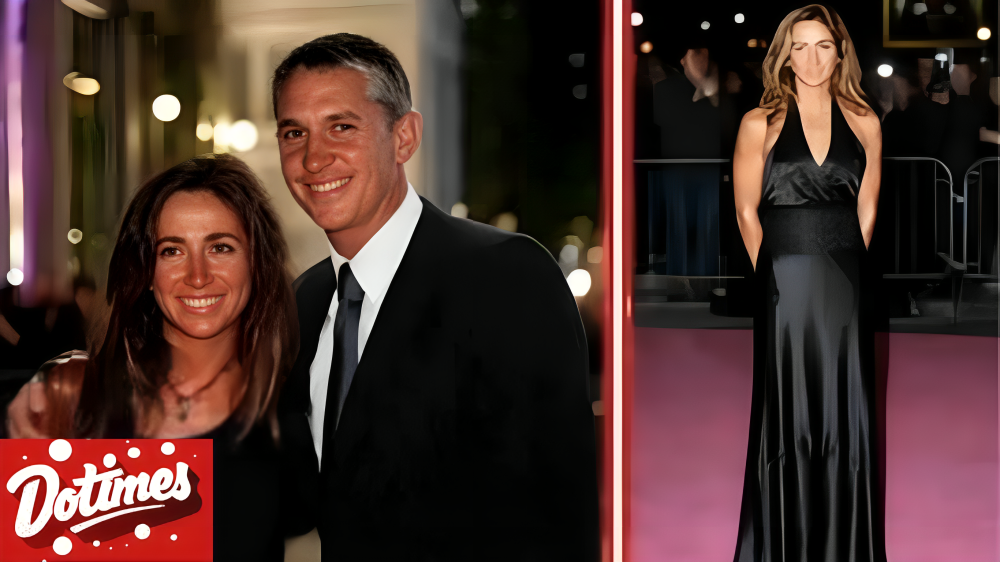

When you type “Elizabeth Rizzini disability” into a search engine, you’re bound to find a whole lot of speculation and very little hard truth. Well, let’s get straight to the point — Elizabeth Rizzini does not have a disability. She is a fully active, highly respected BBC weather presenter who continues to grace television screens across the United Kingdom with her calm, authoritative forecasts. Yet the curiosity surrounding the Elizabeth Rizzini disability topic refuses to die down, and honestly, it’s easy to understand why.
The story behind those searches is far more nuanced than most people realise. It touches on love, resilience, partnership, courage, and the very real challenges that come with supporting a partner who lives with serious physical limitations. To truly appreciate this topic, we need to dig into who Elizabeth Rizzini is, where the confusion started, what the actual facts are, and why her story — even without a personal disability — remains genuinely inspiring.
Who Is Elizabeth Rizzini? A Quick Snapshot of Her Life and Background
Elizabeth Rizzini is one of those familiar faces that British viewers have come to trust implicitly. Born on 19 November 1975 in London, England, she built her career on a rock-solid foundation of scientific knowledge and polished communication skills. She studied Geography at university, which gave her an indispensable understanding of Earth’s physical systems, climate behaviour, and atmospheric science. Following that, she went on to complete a Postgraduate Diploma in Broadcast Meteorology — a specialist qualification that set her apart and prepared her for the rigorous demands of live television broadcasting.
Before stepping in front of the cameras, Elizabeth cut her professional teeth at the Met Office, where she worked on airfield forecasts and scientific data analysis. That hands-on technical experience gave her something many presenters lack: genuine, in-depth meteorological expertise. It shows, too. When she explains a complex weather system on air, she’s not just reading from an autocue — she actually knows what she’s talking about.
She joined the BBC in 2006 as a weather presenter for BBC London, and since then, she’s become a trusted and recognisable voice for millions of viewers. Her work spans BBC London News, BBC Breakfast, the BBC News Channel, and even special features like The Sky at Night, where she has discussed space weather. She’s also a familiar face during the Wimbledon season, given her well-known love of tennis.
The Origin of the Elizabeth Rizzini Disability Confusion
So, where on earth did all this disability talk come from? Good question — and the answer isn’t as complicated as you might think.
The root of the Elizabeth Rizzini disability confusion lies firmly with her long-term partner, Frank Gardner OBE, the BBC’s respected Security Correspondent. In June 2004, while reporting from Al-Suwaidi in Riyadh, Saudi Arabia, Frank was shot six times by Al-Qaeda gunmen. His colleague, Irish cameraman Simon Cumbers, was tragically killed in the same attack. Frank survived, but the bullets caused severe damage to his spinal nerves, leaving him partially paralysed in the legs. Since then, he has used a wheelchair.
Frank Gardner’s story is one of extraordinary courage. He returned to broadcasting for the BBC as early as mid-2005 — just about a year after the attack — and has remained one of Britain’s most prominent and respected journalists ever since. He’s also become an important voice in disability advocacy, particularly around the issue of how airlines treat wheelchair users.
In November 2020, Frank’s personal documentary — Being Frank: The Frank Gardner Story — aired on BBC Two. The programme gave viewers an unfiltered, deeply moving look into his daily life post-injury: the chronic pain, the medical routines, the emotional weight, and the fierce determination to carry on. Elizabeth appeared in the documentary as his partner, speaking candidly and emotionally about the realities of their relationship and the hidden challenges Frank faces every day.
That documentary, combined with the media coverage surrounding it, began to link Elizabeth’s name with the topic of disability in headlines and search results. Search engines, which reflect patterns rather than verified facts, started pairing her name with disability-related terms. And just like that — the rumour was born.
Setting the Record Straight: Does Elizabeth Rizzini Have a Disability?
Let’s be absolutely crystal clear here. Elizabeth Rizzini does not have a disability. There is no public record, no credible interview, no verified statement, and no reliable medical report suggesting otherwise. She continues to work as an active BBC weather presenter, delivering live forecasts from studios and outdoor locations — hardly the activity profile of someone battling an undisclosed physical condition.
The confusion is understandable, but it’s entirely based on online misinterpretation. Here’s a quick breakdown of the key facts:
| Claim | Fact |
| Elizabeth Rizzini has a disability | False — no credible evidence supports this |
| Frank Gardner has a disability | True — he was shot in 2004 and uses a wheelchair |
| Elizabeth appeared in a disability documentary | True — as a supporting partner, not as a person with a disability |
| Elizabeth advocates for disability awareness | True — through her public support of Frank’s journey |
| Elizabeth is still presenting at the BBC | True — she continues to work actively |
Another factor that muddied the waters was confusion with other BBC presenters. Lucy Martin, for example, is a BBC weather presenter who has publicly discussed being born without her right forearm and hand. When people search broadly for “BBC weather presenter disability,” names can easily get tangled together — especially in the shallow waters of online search results.
Frank Gardner’s Disability: Understanding the Iceberg Beneath the Surface
To fully understand why the Elizabeth Rizzini disability topic resonates so strongly, you have to understand the depth of Frank Gardner’s condition. Frank himself described his disability using a powerful metaphor — he called it an “iceberg disability”. From the outside, people might see a man in a wheelchair and assume they grasp the whole picture. But beneath that surface lies a daily reality that is far more challenging.
In the Being Frank documentary, Frank spoke openly about:
- Chronic pain that accompanies him constantly, every single day
- The need to manage a colostomy bag and catheter — medical realities that many people never consider
- The emotional and psychological toll of living with permanent physical limitations
- The frustrations of navigating a world that is still, frankly, not designed with wheelchair users in mind
- His advocacy against poor airline accessibility for disabled passengers, which he has spoken about extensively and even campaigned on publicly
Frank has also been a vocal advocate on the topic of accessibility in public spaces, and in October 2021, he made a dedicated BBC documentary specifically about the way airlines treat people who use wheelchairs. Elizabeth, as his partner, was naturally part of the wider conversation surrounding these issues.
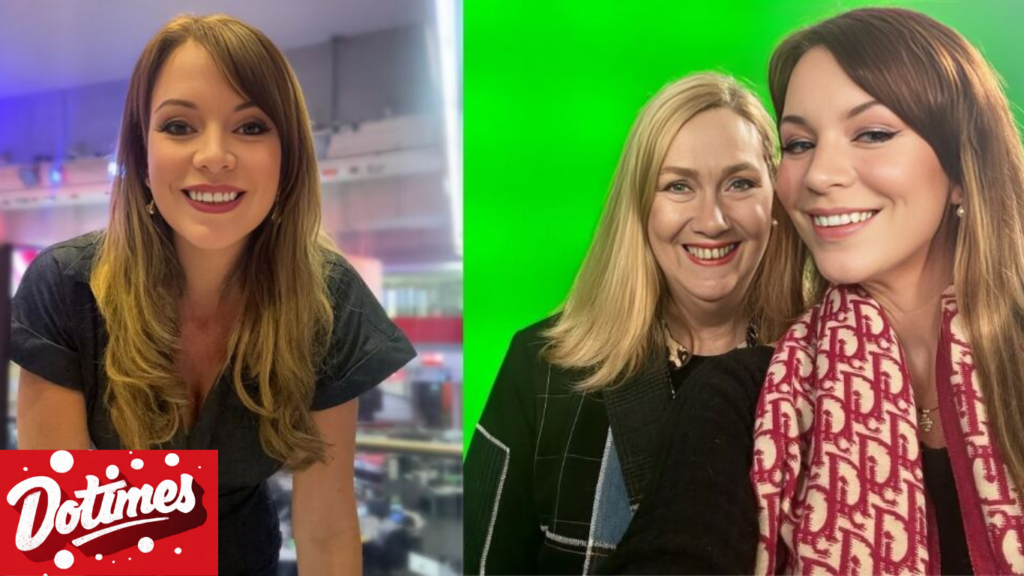
Elizabeth Rizzini’s Role as an Advocate and Supportive Partner
Here’s the thing — even though Elizabeth doesn’t have a disability herself, her role in this story is anything but passive. She has stepped up, spoken out, and shown the kind of quiet strength that doesn’t make headlines but absolutely deserves recognition.
In the Being Frank documentary, Elizabeth spoke candidly about what it’s really like to be the partner of someone living with a serious spinal injury. She highlighted the “hidden stuff” — the aspects of Frank’s condition that the public rarely sees or considers. She helped shine a light on invisible suffering, the kind that sits beneath a composed exterior and never really goes away.
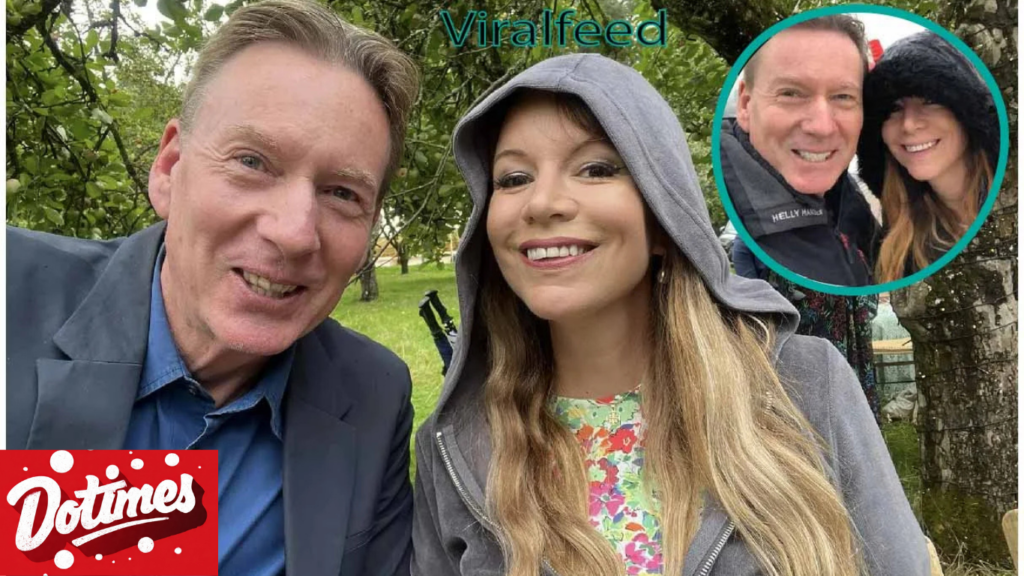
Frank himself has spoken warmly about what Elizabeth means to him. He described her as “wonderful company”, adding with characteristic warmth, “It’s almost like having a first girlfriend.” He has also openly acknowledged how fortunate he is to have her by his side.
Elizabeth, for her part, has described Frank as “devastatingly handsome” and spoken about how, despite all the challenges, he simply “gets on” with his life. That quiet tribute says a great deal about the respect and admiration at the heart of their relationship.
Their bond — built on mutual respect, genuine affection, and an understanding that life can take wildly unexpected turns — is, in its own quiet way, a story about resilience, love, and the power of showing up for the people who matter.
Elizabeth Rizzini’s Professional Career: A Legacy Built on Expertise
Away from the personal narrative, it’s worth pausing to appreciate just how impressive Elizabeth Rizzini’s professional record actually is. Her career trajectory is a textbook example of what happens when genuine expertise meets dedicated hard work.
Here are some career highlights worth noting:
- Met Office training — hands-on scientific experience before entering broadcasting
- BBC London — her primary home base, where she presents morning and lunchtime weather
- BBC Breakfast — national platform, reaching millions across the UK daily
- BBC News Channel — live updates on a rolling news format
- The Sky at Night — space weather features demonstrating her broader scientific interests
- Wimbledon broadcasts — weather coverage for one of the world’s most watched sporting events
- BBC Radio — contributions to Radio 4’s PM and 5 Live Breakfast
Her estimated net worth, based on available public information, is believed to be somewhere in the range of £400,000 to £600,000, reflecting a long and stable career at one of Britain’s most prestigious broadcasters.
What truly sets Elizabeth apart, though, isn’t just her résumé — it’s her ability to make complicated meteorological information feel accessible and relevant to everyday viewers. She doesn’t overwhelm audiences with jargon. She translates science into something genuinely useful, and she does it with a warmth and steadiness that viewers have come to rely on.
How Misinformation Spreads: A Lesson from the Elizabeth Rizzini Disability Story
The Elizabeth Rizzini disability saga is, in many ways, a case study in how digital misinformation works. It’s worth pausing to think about the mechanics of how a false narrative can take root and grow, because it happens all the time with public figures.
Here’s how it unfolded:
- Step 1: Frank Gardner’s documentary airs on BBC Two, featuring Elizabeth in a supporting role
- Step 2: Media headlines naturally pair both names together in coverage
- Step 3: Search engines begin associating Elizabeth’s name with disability-related terms
- Step 4: Autocomplete and “related searches” features amplify the association
- Step 5: People skim headlines without reading full articles, absorbing the wrong impression
- Step 6: Social media users repeat the misinformation, further entrenching the narrative
None of this happened because anyone deliberately set out to mislead. It’s simply the way information — and misinformation — moves in the digital age. The lesson here is straightforward: always read beyond the headline, always look for verified sources, and always resist the urge to assume the worst about public figures based on unsubstantiated online chatter.
Privacy, Respect, and the Right to a Personal Life
One of the quietly remarkable things about Elizabeth Rizzini is her ability to maintain a genuinely private personal life in an era when virtually every celebrity feels compelled to share every moment online. She doesn’t do reality television. She’s not writing memoirs. She doesn’t engage in social media dramas. She simply does her work — and does it exceptionally well — then retreats into a private life that she clearly values deeply.
This natural reticence, admirable as it is, has paradoxically contributed to the rumour mill. When a familiar face disappears from the expected slot for a while, people jump to conclusions. In Elizabeth’s case, those conclusions veered into unfounded disability speculation. But her privacy is a choice that deserves to be respected, not a signal that something dramatic has occurred.
It’s also worth pointing out that she has children from a previous marriage, and keeping family life away from public scrutiny is both understandable and admirable. Public figures are entitled to boundaries — and the fact that curiosity exists doesn’t automatically grant the public a right to answers.
Disability Representation in British Broadcasting: The Bigger Picture
The ongoing interest in Elizabeth Rizzini disability also opens up a broader and genuinely important conversation: how well does British broadcasting represent people with disabilities?
The BBC, to its credit, has made meaningful efforts in this area. Figures like Frank Gardner and Sophie Morgan — a television presenter and disability rights campaigner who was paralysed in a car accident — have become prominent voices on disability inclusion in media. The BBC also participates in the Disability Confident programme and offers workplace adjustments and inclusion training.
There is, however, still a significant gap between intention and reality. People with disabilities remain underrepresented in front of the camera, and when they do appear, coverage can sometimes veer into inspiration porn — reducing complex human experiences to feel-good stories rather than engaging with the genuine structural challenges that disabled people face every day.
Elizabeth Rizzini, simply by being so closely associated with Frank Gardner’s public disability journey, has helped — perhaps inadvertently — keep these conversations alive in mainstream media. That’s not nothing. In fact, it’s genuinely valuable.
Conclusion
So, here we are — having walked through the full landscape of this much-searched, often misunderstood topic. The bottom line on Elizabeth Rizzini disability is actually quite simple: Elizabeth Rizzini is not disabled. She is a thriving, accomplished BBC weather presenter who is very much alive, well, and still turning up on your screen to tell you about that incoming front from the west.
What makes her story interesting isn’t a personal health condition — it’s the way she has stood, steadfastly and lovingly, beside a partner who has navigated one of life’s most brutal challenges with extraordinary grace. Through Frank Gardner’s disability journey, Elizabeth has become a quiet but meaningful presence in the disability awareness conversation. She has shown empathy, spoken candidly, and refused to let the difficulties define either herself or the man she loves.
In a media landscape where public figures are so often reduced to rumours and clickbait, Elizabeth Rizzini’s story is a refreshing reminder that the truth is almost always more interesting — and more human — than the speculation. She is a professional who is very good at what she does, a partner who clearly understands what loyalty and compassion look like in action, and a private person who has maintained her dignity throughout the noise. That, when all is said and done, is a story well worth telling.
FAQs
Does Elizabeth Rizzini have a disability?
No. There is no credible evidence or public statement confirming that Elizabeth Rizzini has a disability of any kind. She continues to work actively as a BBC weather presenter and appears regularly on television. The confusion around Elizabeth Rizzini disability stems from her relationship with Frank Gardner and her participation in his disability documentary.
Where did the Elizabeth Rizzini disability rumours come from?
The rumours most likely originated from Elizabeth’s involvement in Frank Gardner’s 2020 BBC Two documentary, Being Frank: The Frank Gardner Story. Media coverage paired both names together, and search engine algorithms began associating Elizabeth with disability-related terms. Confusion with other BBC presenters, such as Lucy Martin, may also have played a role.
Who is Frank Gardner and what happened to him?
Frank Gardner OBE is the BBC’s Security Correspondent and Elizabeth Rizzini’s partner. The attack left him partially paralysed in the legs, and he has used a wheelchair ever since. Despite this life-altering injury, he returned to broadcasting and remains a prominent and highly respected journalist.
Has Elizabeth Rizzini spoken publicly about disability?
Yes — but in the context of Frank Gardner’s experiences, not her own. In the Being Frank documentary, she spoke candidly about the hidden challenges of Frank’s daily life, including chronic pain and complex medical needs. She described his condition as an “iceberg disability,” highlighting how much remains invisible to the public eye. She has not made any public statement about having a disability herself.
What is Elizabeth Rizzini doing now in 2026?
Elizabeth Rizzini continues to present weather forecasts for the BBC. She remains a familiar face on BBC London and other BBC platforms, delivering her characteristically clear and professional weather updates. She maintains a private personal life and continues to keep the details of her family and home life largely away from the public spotlight.