
If you’ve ever found yourself typing “best guiso de lentejas near me” into a search bar on a chilly evening, you already know that feeling — that deep, soulful craving for a dish that warms you from the inside out. Well, you’re not alone. Guiso de lentejas, the beloved Latin and Spanish lentil stew, has been winning hearts across continents for centuries, and its presence on restaurant menus in cities around the world is growing faster than ever.
This article is your go-to guide. Whether you’re a first-time taster curious about what all the fuss is about, a seasoned foodie hunting for the most authentic bowl in town, or someone whose abuela used to make it on Sunday afternoons, this comprehensive breakdown covers everything — from the dish’s rich history and essential ingredients to smart tips for finding the best local spots and understanding what separates a mediocre bowl from a truly extraordinary one.
What Is Guiso De Lentejas, and Why Is Everyone Talking About It?
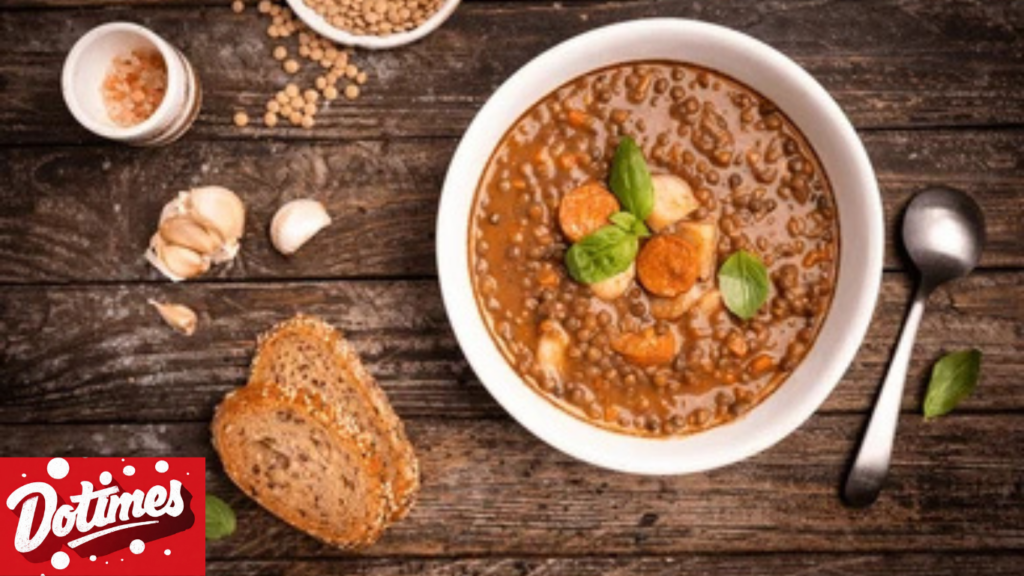
At its core, guiso de lentejas is a slow-cooked lentil stew rooted deeply in Spanish and Latin American culinary tradition. The word guiso simply means “stew” or “braised dish” in Spanish, and lentejas refers to lentils — those small, flat, nutritional powerhouses that have been a staple food in human diets for thousands of years.
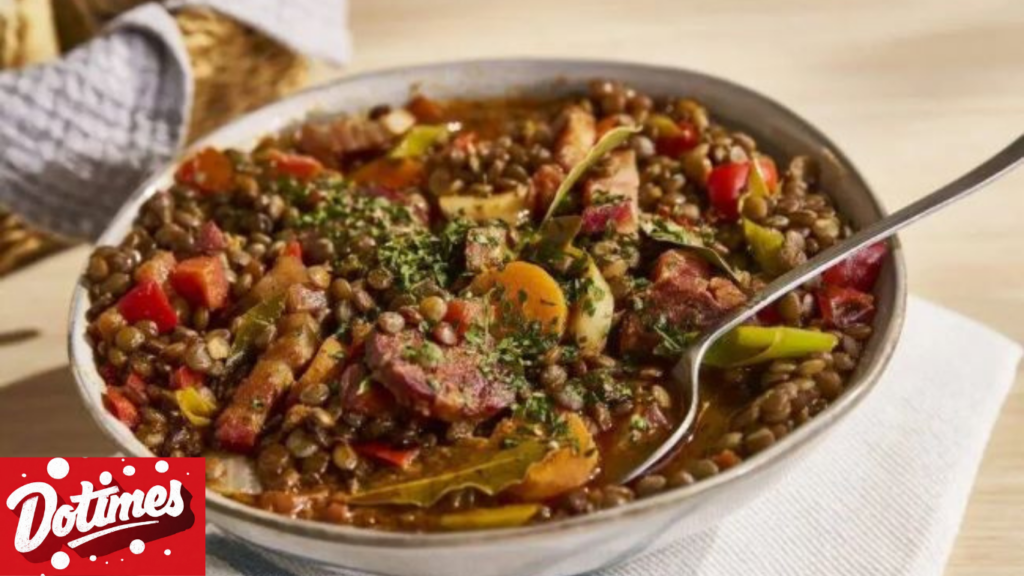
What makes this dish stand apart from a regular lentil soup is its texture, its layers of flavor, and — let’s be real — its soul. A proper guiso isn’t a thin broth. It’s thick, rich, and deeply savory, usually built on a base of sofrito (a fragrant blend of onion, garlic, tomato, and peppers), simmered with chorizo or smoked meats, and elevated with warm spices like cumin, paprika, and bay leaves. The lentils break down just enough to thicken the stew naturally, creating a velvety consistency that clings to every bite.
Different regions put their own stamp on the dish. In Spain, you’ll often find lentejas estofadas with morcilla (blood sausage) and carrots. In Colombia and Venezuela, the stew leans sweeter, sometimes with plantain or potatoes. Argentine versions tend to be rustic and smoky, while Cuban interpretations are spiced with a heavier hand. That regional diversity is exactly what makes searching for the best guiso de lentejas near me such a rewarding adventure.
The Rich Cultural History Behind Every Bowl
You can’t fully appreciate a dish without understanding where it came from, and guiso de lentejas has a story that spans millennia. Lentils are among the oldest cultivated crops on earth — archaeological evidence suggests humans have been eating them for over 8,000 years. They arrived in the Iberian Peninsula through ancient trade routes, took root in Spanish cuisine, and then crossed the Atlantic with Spanish colonizers in the 15th and 16th centuries.
What happened next was something magical. Indigenous ingredients from the Americas — tomatoes, peppers, native potatoes, and local spices — fused with the Spanish cooking techniques brought by settlers. The lentil stew transformed. It absorbed new flavors, adapted to new climates, and became a comfort food across an entire hemisphere.
In many Latin American households, guiso de lentejas is more than a meal. It’s a memory. It’s the smell that hits you when you walk through the front door on a cold day, the dish that grandmothers make without ever measuring a single ingredient, and the recipe that gets passed down not through cookbooks but through watchful eyes in a kitchen. When you’re searching for the best guiso de lentejas near me, you’re really reaching for a piece of that living culinary legacy.
Key Ingredients That Define an Authentic Bowl
One thing that separates a forgettable stew from an unforgettable one is the quality and combination of ingredients. Here’s what to look for — or ask about — when evaluating a restaurant’s version:
- Lentils: Brown or green lentils are the most traditional choice for guiso. They hold their shape well but still thicken the broth beautifully. Red lentils dissolve too quickly and aren’t typically used in authentic versions.
- Sofrito Base: This is the heart of the dish. Onion, garlic, tomato, and green or red peppers are slowly sautéed in olive oil until caramelized and fragrant. A lazy sofrito means a flat-tasting stew.
- Smoked Meats or Chorizo: Spanish-style chorizo (not Mexican chorizo, which is a fresh, raw sausage) brings a paprika-forward smokiness that is nearly irreplaceable. Some recipes use bacon, jamón serrano, or even short ribs.
- Root Vegetables: Carrots, potatoes, or turnips are commonly added for body, sweetness, and substance.
- Spices: Cumin, smoked paprika, bay leaves, and black pepper are the classic quartet. Some cooks add a pinch of turmeric for color.
- Good Olive Oil: Drizzled at the end, a thread of high-quality extra virgin olive oil elevates the entire dish.
- Stock: A rich chicken or vegetable stock rather than plain water makes a world of difference in the final depth of flavor.
How to Find the Best Guiso De Lentejas Near Me
Here’s the million-dollar question, isn’t it? Finding a truly outstanding bowl requires a bit of strategy. The dish isn’t quite as ubiquitous as tacos or paella, so you need to know where to look.
Search Smart Online
Start by typing “best guiso de lentejas near me” into Google Maps or Yelp. Filter results by rating and look for restaurants that specifically mention Latin American, Spanish, Colombian, Venezuelan, or Cuban cuisine. Read the reviews carefully — look for mentions of “homemade,” “authentic,” or “just like my grandmother made.” These phrases are telling.
Look for Cultural Community Hubs
Neighborhoods with large Latin American or Spanish immigrant communities are almost always your best bet. Restaurants in these areas tend to be owned and operated by people whose families have made this dish for generations. The authenticity isn’t manufactured — it’s inherited.
Check Social Media
Instagram and TikTok have become remarkable food discovery tools. Search hashtags like #guisodelentejas, #lentejascolumbianas, or #lentejasespañolas. You’ll often find home cooks sharing videos of their versions, and — sometimes more importantly — tagging the restaurants that inspired them.
Ask the Community
Local Facebook groups dedicated to specific cultural communities (Colombian moms in your city, Venezuelan expats, Spanish cultural associations) are goldmines for restaurant recommendations. The people in those groups have high standards and zero incentive to steer you wrong.
Farmers’ Markets and Pop-Ups
Don’t overlook food stalls, pop-ups, and home-based food businesses. In many cities, talented home cooks sell prepared Latin meals on weekends. These often rival or surpass restaurant quality.
What to Expect at a Great Restaurant
Walking into a restaurant and ordering guiso de lentejas for the first time can feel a little uncertain if you don’t know what you’re getting. Here’s a quick breakdown of what the experience typically looks like at a reputable spot:
| Element | What to Expect |
| Presentation | Served in a deep bowl or clay pot, thick and steaming |
| Color | Deep amber to rusty brown, with visible vegetables |
| Aroma | Smoky, garlicky, earthy — should hit you immediately |
| Texture | Creamy and thick, not watery; lentils soft but not mushy |
| Accompaniments | White rice, crusty bread, or arepas on the side |
| Garnish | Fresh parsley, a drizzle of olive oil, or sliced chili |
| Temperature | Piping hot — this dish should never arrive lukewarm |
| Portion Size | Generous — it’s a filling, working-class dish by tradition |
Regional Variations Worth Seeking Out
When you’re on the hunt for the best guiso de lentejas near me, knowing the regional variations helps you ask the right questions and set the right expectations.
Colombian Lentejas
Colombian-style lentil stew is perhaps the most widely available version in North American cities. It tends to be slightly sweet thanks to the addition of ripe plantain and tomatoes, and it’s usually served alongside white rice and hogao (a cooked tomato and scallion sauce). Colombian restaurants in cities like Miami, New York, and Houston are excellent places to start.
Venezuelan Caraotas-Style Lentejas
Venezuelan cooks often prepare lentils similarly to their famous black beans — slowly simmered with pork, papelón (raw cane sugar), and a touch of hot sauce. The sweet-savory balance is striking and deeply satisfying.
Spanish Lentejas Estofadas
This is the Old World original. Spanish-style lentejas use morcilla or chorizo, lots of smoked paprika, and often a splash of sherry vinegar at the end. Spanish tapas bars and traditional restaurants are the right spots to seek this one out.
Argentine Guiso de Lentejas
The Argentine version is a hearty, no-nonsense winter stew with beef or pork ribs, plenty of vegetables, and a deeply smoky flavor. It’s the kind of dish that rural farm workers would eat after a long day in the fields. Argentine steakhouses and family restaurants sometimes feature it as a seasonal special.
Cuban Potaje de Lentejas
Cuban lentil stew — called potaje — uses more tomato paste than most versions, giving it a rich reddish color. It’s often vegetarian, seasoned with cumin and oregano, and served over white rice. Cuban cafeterias and lunch counters are your best bets.
Nutritional Benefits That Make You Feel Good About the Craving
Let’s talk about why guiso de lentejas isn’t just delicious — it’s genuinely good for you. Lentils are nutritional overachievers, and this stew lets them shine.
- High in Plant-Based Protein: One cup of cooked lentils contains approximately 18 grams of protein, making this stew a satisfying meal for meat-eaters and vegetarians alike.
- Excellent Source of Dietary Fiber: Lentils are loaded with soluble and insoluble fiber, which supports digestive health, regulates blood sugar, and promotes satiety.
- Rich in Iron and Folate: These are essential nutrients for energy production and cell health, particularly important for people who follow plant-forward diets.
- Low Glycemic Index: Despite being filling and starchy, lentils release energy slowly, making this stew a smart choice for sustained energy throughout the day.
- Heart-Healthy: The combination of lentils, olive oil, and vegetables makes guiso de lentejas a Mediterranean and Latin diet staple associated with reduced cardiovascular risk.
- Naturally Gluten-Free: In its traditional form, this dish contains no wheat or gluten, making it accessible to those with dietary sensitivities.
- Budget-Friendly Nutrition: Lentils are one of the most affordable sources of complete nutrition available, which is part of why this dish has historically fed working-class communities so well.
Red Flags to Watch Out for When Ordering
Not every restaurant that claims to serve guiso de lentejas is actually delivering the real deal. Here are some warning signs that the bowl you’re about to receive won’t live up to its name:
- Thin, Watery Broth: A proper guiso should be thick. If it looks like soup, it hasn’t been cooked long enough or the ratio is off.
- Underseasoned Flavor: If your first spoonful is bland, that’s a sign the sofrito was rushed or the spices were skimped on. A good guiso has layers of flavor.
- Mushy, Overcooked Lentils: Lentils should be soft but still hold their shape. If they’ve completely dissolved into an indistinct paste, the cooking was poorly timed.
- No Aromatics: The absence of that deep garlic-and-paprika aroma when the bowl arrives is a dead giveaway that corners were cut.
- Canned Vegetables Only: Fresh or properly cooked vegetables add texture and brightness. A stew built entirely on canned ingredients tends to taste flat.
- Served Lukewarm: This dish should be served hot. Lukewarm guiso suggests it was pre-made and sitting, which impacts both flavor and food safety.

Tips for Ordering Like a Pro
So, you’ve found a promising restaurant while searching for the best guiso de lentejas near me. Here’s how to get the most out of the experience:
- Ask about the day’s preparation. Many Latin restaurants make their guiso fresh daily in limited quantities. Asking “¿Hay lentejas hoy?” (Are there lentils today?) can be a great icebreaker with staff and often leads to better service.
- Request the accompaniments. A good guiso is typically served with rice or bread. If these don’t come automatically, ask for them — the stew is meant to be eaten alongside something starchy.
- Inquire about the meat content. If you have dietary preferences or restrictions, ask whether the stew contains pork, chorizo, or any meat-based stock.
- Finish with a squeeze of lemon or a dash of hot sauce. Many restaurants offer these condiments on the table, and a splash of acid brightens the rich flavors beautifully.
- Order a full portion, not a side. Guiso de lentejas is a main course in Latin American culinary tradition. Ordering it as a small side dish often means you get a less generous, less carefully prepared version.
How Technology Is Making It Easier to Find Great Guiso
In today’s world, finding authentic food has never been more accessible, and that’s genuinely exciting for food lovers everywhere. Several digital tools have transformed the way people locate the best guiso de lentejas near me:
Google Maps Reviews with Photos The photo feature on Google Maps is surprisingly powerful. Searching for a restaurant and filtering photos by the dish name often reveals whether their guiso actually matches its description. User-uploaded photos don’t lie — a thin, pale broth tells a story instantly.
Yelp’s Filter System Yelp allows you to filter by cuisine type, price range, and distance. Combining “Spanish” or “Colombian” or “Venezuelan” with your location and sorting by highest-rated gives you a strong shortlist very quickly.
Delivery Apps Platforms like DoorDash, Uber Eats, and Grubhub now feature cuisine-specific search filters. Searching for “lentejas” or “lentil stew” directly in the app often surfaces smaller, lesser-known restaurants that don’t show up prominently in web searches.
Food Blogs and Local Guides City-specific food bloggers who focus on Latin American cuisine are an underutilized resource. A quick search for “best Colombian food [your city]” or “authentic Spanish cuisine [your city]” often leads you to detailed, honest reviews written by people who genuinely care about the food.
Conclusion
The search for the best guiso de lentejas near me is about more than just finding a good meal — it’s about connecting with a tradition that has nourished families, communities, and entire cultures for centuries. This humble lentil stew, built from affordable ingredients and slow-simmered with patience and care, carries within it the warmth of countless kitchens and the wisdom of generations of cooks who understood that simple food, made well, is one of life’s greatest pleasures.
Armed with everything you’ve learned here — from the defining ingredients and regional variations to the red flags that signal a subpar bowl and the digital tools that help you find the genuine article — you’re now ready to go out and experience this dish the way it was meant to be experienced. So trust your instincts, explore your neighborhood, talk to the people behind the counter, and let that aroma guide you. The best guiso de lentejas near me isn’t a far-off dream. More often than not, it’s just around the corner, simmering quietly, waiting for you to find it.
FAQs
What does guiso de lentejas taste like?
Guiso de lentejas has a deep, earthy, savory flavor with notes of smokiness from chorizo or paprika, sweetness from caramelized onions and carrots, and warmth from spices like cumin and bay leaf. The texture is thick and hearty rather than brothy, and the overall experience is comforting and satisfying.
Is guiso de lentejas vegetarian or vegan?
Traditional recipes typically include smoked meats or chorizo, but many restaurants and home cooks prepare excellent vegetarian or vegan versions using vegetable stock and extra smoked paprika for depth. It’s always worth asking the restaurant about the ingredients before ordering.
What is the best type of lentil for guiso de lentejas?
Brown or green lentils are the traditional choice. They hold their shape during cooking while still thickening the broth naturally. Red lentils dissolve too quickly and create a texture that’s closer to a purée than a proper stew.
Can I find guiso de lentejas at a regular restaurant, or do I need a specialty spot?
While this dish is most reliably found at Latin American or Spanish specialty restaurants, it occasionally appears on menus at international fusion spots or farm-to-table restaurants that celebrate global comfort food. Your best results will almost always come from searching for Colombian, Venezuelan, Spanish, Cuban, or Argentine restaurants specifically.
How is guiso de lentejas different from regular lentil soup?
The main differences are in technique, texture, and flavor. Guiso de lentejas is built on a cooked sofrito base, uses smoked meats for depth, and simmers long enough to develop a thick, velvety consistency. Regular lentil soup tends to be thinner, simpler in flavor, and less deeply seasoned. The guiso is a stew in the truest sense — hearty, complex, and unmistakably satisfying.