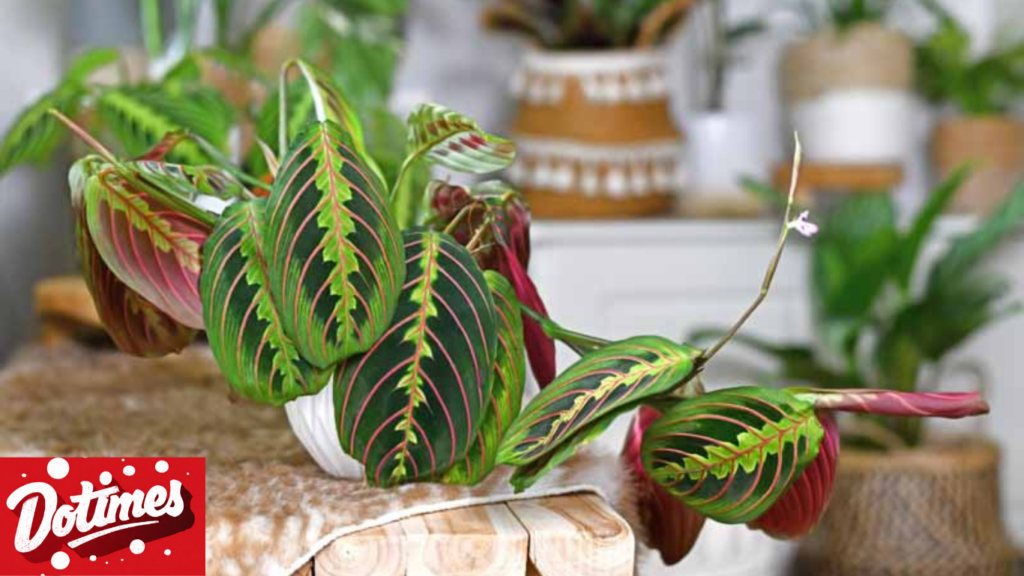

The red prayer plant is, without a doubt, one of the most eye-catching and fascinating houseplants you’ll ever bring into your home. With its richly patterned leaves that fold upward at night as if giving thanks, this tropical gem has earned a devoted fanbase among plant lovers around the world. Whether you’re a first-time plant parent or a seasoned green thumb, the red prayer plant offers something truly special — beauty, personality, and a surprisingly forgiving nature. Let’s dive into everything you need to know to grow, nurture, and truly appreciate this remarkable plant.
What Exactly Is the Red Prayer Plant?
The red prayer plant, known scientifically as Maranta leuconeura var. erythroneura, belongs to the Marantaceae family. It’s a native of the tropical rainforests of Brazil, where it thrives beneath the lush canopy in warm, humid conditions. The plant gets its common name from two things: the vivid red veins that streak across its deep green leaves, and the fascinating habit of folding its leaves upward in the evening — a movement called nyctinasty, which resembles hands pressed together in prayer.
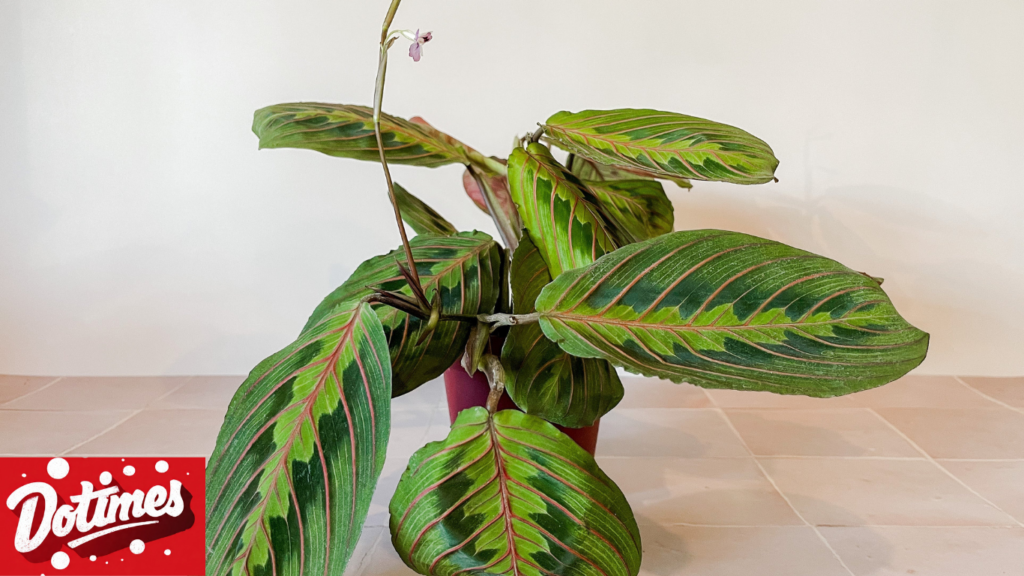
Don’t let the scientific name intimidate you! In everyday plant talk, gardeners simply call it the red prayer plant, and it’s beloved for being both beautiful and manageable. The leaves themselves are works of art — broadly oval, velvety in texture, and decorated with a herringbone pattern of bright red lines running from the central vein outward. The background is typically a rich, deep green, often with lighter green patches along the midrib.
A Snapshot: Key Facts at a Glance
Before we roll up our sleeves and get into the nitty-gritty of care, here’s a handy table summarizing the essentials:
| Feature | Details |
| Scientific Name | Maranta leuconeura var. erythroneura |
| Common Name | Red Prayer Plant |
| Family | Marantaceae |
| Origin | Tropical Brazil |
| Light Requirement | Bright, indirect light |
| Watering | Moderate; keep soil consistently moist |
| Humidity | High (50–60%+) |
| Temperature | 65–80°F (18–27°C) |
| Soil Type | Well-draining, peat-based mix |
| Toxicity | Non-toxic to pets and humans |
| Growth Rate | Moderate |
| Mature Size | 6–12 inches tall; spreads up to 24 inches |
Why Plant Lovers Can’t Get Enough of the Red Prayer Plant
It’s honestly hard not to fall in love with the red prayer plant at first glance. But beyond its good looks, there are some pretty compelling reasons why this plant has become a staple in homes, offices, and botanical collections worldwide.
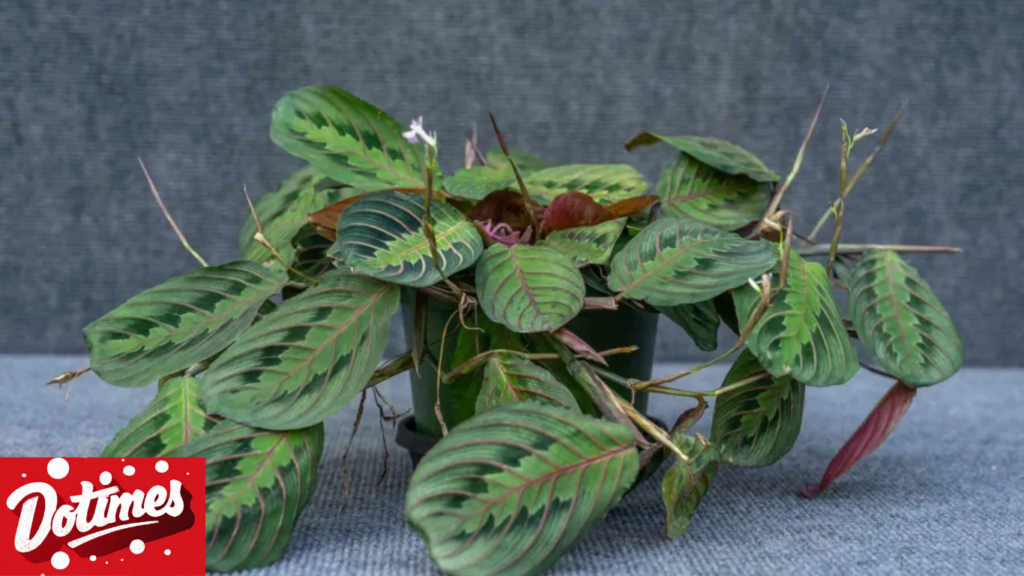
- Stunning Visual Appeal: The vibrant red veins against deep green foliage make it a natural showstopper on any windowsill or shelf.
- Pet-Friendly: Unlike many decorative houseplants, the red prayer plant is non-toxic to cats and dogs — a huge win for pet owners.
- Air-Purifying Qualities: Like many tropical plants, it contributes to cleaner indoor air by absorbing common pollutants.
- Fascinating Movement: Watching its leaves fold up at night is genuinely mesmerizing. Many plant parents describe it as having a “personality” all its own.
- Beginner-Friendly: With just a little attention to light, water, and humidity, this plant rewards even new gardeners generously.
- Compact Size: It won’t take over your living room. Its manageable size makes it perfect for tabletops, bookshelves, and hanging baskets.
Light Requirements: Finding the Sweet Spot
Getting the lighting right is, perhaps, the single most important thing you can do for your red prayer plant. Here’s the thing — this plant is a natural understory dweller. In its native Brazilian rainforest, it spends its life beneath a canopy of taller trees, receiving only dappled, filtered light. Mimic those conditions indoors, and you’ll have a thriving plant on your hands.
What works best:
- Bright, indirect light is the gold standard. Place your plant near a north- or east-facing window where it receives plenty of light without direct sun hitting the leaves.
- Filtered light through sheer curtains near a south or west window is also excellent.
- The plant can tolerate moderate to low light, though growth will slow and leaf colors may become less vivid.
What to avoid:
- Direct afternoon sunlight is the enemy here. It scorches the leaves and causes the vivid red color to fade dramatically.
- Extremely dark corners will cause leggy, stretched growth and dull foliage.
A good rule of thumb: if you can comfortably read a book by the light near your plant’s location without turning on a lamp, there’s probably enough light for your red prayer plant to thrive.
Watering Your Red Prayer Plant: The Art of Getting It Just Right
Watering is where many plant parents stumble, but it doesn’t have to be complicated. The red prayer plant prefers consistently moist — not soggy — soil. Think of it like a wrung-out sponge: damp throughout, but not dripping.
Helpful watering tips:
- Water when the top inch of soil feels dry to the touch. In spring and summer, this may mean watering every 5–7 days. In winter, cut back significantly.
- Use room-temperature water whenever possible. Cold water can shock the roots and cause leaf curling.
- Filtered or distilled water is ideal. Tap water containing fluoride or chlorine can cause brown leaf tips over time — one of the plant’s most common complaints.
- Avoid letting the plant sit in standing water. Always empty saucers after watering to prevent root rot, which is the fastest way to lose this otherwise resilient plant.
- In winter, allow the top 1–2 inches of soil to dry out before watering again, as the plant’s growth slows considerably.
Humidity and Temperature: Creating a Tropical Microclimate
Since the red prayer plant hails from the humid rainforests of Brazil, it naturally craves moisture in the air. Most homes, especially during winter when heaters are running, don’t come close to providing the 50–60% humidity this plant prefers. But don’t worry — there are plenty of easy ways to boost humidity around your plant.
Ways to increase humidity:
- Use a humidifier placed nearby. This is the most reliable method, especially during dry winter months.
- Place the pot on a pebble tray filled with water. As the water evaporates, it raises humidity right where the plant needs it.
- Group plants together. Plants release moisture through their leaves via transpiration, so clustering them naturally raises the ambient humidity.
- Mist the leaves lightly in the morning, though this method is less effective than others and should be done carefully to avoid fungal issues.
As for temperature, keep your red prayer plant in a range of 65–80°F (18–27°C). It’s sensitive to cold drafts, air conditioning vents, and temperatures below 55°F (13°C), which can cause leaf damage and stunted growth. Keep it away from windows that let in chilly winter air.
Soil, Potting, and Fertilization: Building a Strong Foundation
The right growing medium makes all the difference for the red prayer plant. It needs a soil that retains some moisture but also drains well — a tricky balance, but easy to achieve with the right mix.
Ideal soil composition:
- A blend of peat moss or coco coir (for moisture retention), perlite (for drainage), and regular potting soil in roughly equal parts works wonderfully.
- Alternatively, an African violet potting mix is an excellent ready-made option.
- The pH should be slightly acidic, somewhere between 5.5 and 6.0.
Potting tips:
- Choose a pot with drainage holes — this is non-negotiable.
- Repot every 1–2 years in spring when the plant becomes root-bound. Go up only one pot size at a time to avoid overwatering issues.
Fertilization:
- Feed your red prayer plant with a balanced, liquid fertilizer diluted to half strength every two weeks during spring and summer.
- Hold off on fertilizing in fall and winter when growth naturally slows.
- Over-fertilizing is actually worse than under-fertilizing for this plant. Too many nutrients cause leaf burn and weak growth.
How to Propagate the Red Prayer Plant
Good news — propagating the red prayer plant is genuinely one of the easier propagation tasks in the plant world. You don’t need any special tools or skills, and success rates are quite high with the right approach.
Stem cutting method (most popular):
- Choose a healthy stem with at least two leaves and a visible node (the small bump where the leaf meets the stem).
- Cut just below the node using clean, sharp scissors or a knife.
- Place the cutting in a jar of water, ensuring the node is submerged but the leaves are not.
- Place in bright, indirect light and change the water every few days.
- Roots should appear within 2–4 weeks.
- Once roots are at least an inch long, pot the cutting in moist potting mix.
Division method: When repotting, gently separate the root clumps into two or more sections, ensuring each section has healthy roots and several leaves. Pot each division separately and water well.
Spring is the best time to propagate, as the plant’s natural growth cycle gives cuttings the best chance of establishing quickly.
Common Problems and How to Fix Them
Even the most attentive plant parent will occasionally run into trouble. Here are the most common issues with the red prayer plant and what you can do about them:
- Brown leaf tips: Usually caused by low humidity, fluoride in tap water, or inconsistent watering. Switch to filtered water and boost humidity.
- Yellow leaves: Often a sign of overwatering or poor drainage. Let the soil dry out slightly and check that drainage holes aren’t blocked.
- Fading leaf color: Too much direct sunlight. Move the plant to a spot with brighter indirect light.
- Drooping or curling leaves: Usually indicates underwatering or cold temperatures. Water thoroughly and move away from drafts.
- Spider mites: These tiny pests love dry conditions. Increase humidity and wipe leaves with a damp cloth. Use neem oil spray if infestation is severe.
- Fungus gnats: Caused by consistently wet soil. Allow the top layer to dry between waterings and use yellow sticky traps to catch adults.
- Root rot: The most serious issue, usually from overwatering. Remove the plant from its pot, trim any black or mushy roots, and repot in fresh, dry soil.
Styling and Display: Where to Show Off Your Red Prayer Plant
Let’s be real — the red prayer plant is gorgeous, and it deserves to be shown off! Here are some creative ways to display this beauty in your home:
- Hanging baskets: Its trailing growth habit makes it absolutely stunning in a hanging planter, where its patterned leaves can cascade downward beautifully.
- Windowsill displays: Pair it with other tropical plants like pothos or ferns for a lush, layered look.
- Terrariums: Its love of humidity makes it an ideal candidate for open or slightly enclosed terrariums.
- Bathroom plants: If your bathroom gets natural light, this is one of the best plants to keep there — the natural steam from showers keeps humidity levels high.
- Office desks: Its compact size and tolerance for moderate light make it a cheerful desk companion.
The Red Prayer Plant in Culture and Symbolism
Beyond its practical charms, the red prayer plant carries meaningful symbolism in various cultures. The nightly folding of its leaves has long been associated with gratitude, mindfulness, and spiritual awareness — hence the “prayer” in its name. In feng shui, plants with rounded, lush leaves are considered symbols of positive energy and prosperity.
Gifting a red prayer plant has become a thoughtful gesture, often given to mark new beginnings like moving into a new home, starting a new chapter in life, or simply saying “I’m thinking of you.” It’s a living symbol of beauty and resilience — a reminder that even in ordinary surroundings, nature finds a way to be extraordinary.
Conclusion
There’s simply no denying it — the red prayer plant is one of the most rewarding, beautiful, and characterful houseplants available to today’s plant enthusiasts. From its vivid, herringbone-patterned leaves to its enchanting nightly “prayer” movement, it brings a sense of wonder and life to any indoor space. It’s forgiving enough for beginners, interesting enough for experts, and safe enough for homes with pets and children.
By following the care guidelines laid out in this article — providing bright indirect light, consistent moisture, high humidity, and proper nutrition — you’ll have a thriving, gorgeous red prayer plant that grows more beautiful with every passing season. So go ahead, bring one home, and let this tropical gem transform your living space. The red prayer plant doesn’t just decorate a room; it truly brings it to life.
FAQs
Why are the leaves of my red prayer plant not closing at night?
If your red prayer plant isn’t folding its leaves in the evening, it’s often a sign that it’s not getting enough light during the day. Try moving it to a brighter spot with indirect light. Occasionally, low humidity or stress from overwatering can also disrupt this natural movement.
How often should I water my red prayer plant?
Generally, water your red prayer plant when the top inch of soil feels dry. During spring and summer, this typically means every 5–7 days. In fall and winter, reduce watering frequency since the plant’s growth slows down considerably. Always use room-temperature, filtered water when possible.
Is the red prayer plant safe for cats and dogs?
Absolutely, yes! The red prayer plant is non-toxic to both cats and dogs, according to the ASPCA. This makes it one of the most pet-friendly decorative houseplants you can choose — a real bonus for households with furry family members.
Why are the leaves on my red prayer plant turning yellow?
Yellow leaves on a red prayer plant most commonly indicate overwatering or poor drainage. Check that your pot has drainage holes and that you’re allowing the top inch of soil to dry slightly between watering sessions. In some cases, yellow leaves can also result from nutrient deficiency, so consider a balanced fertilizer during the growing season.
Can the red prayer plant grow outdoors?
The red prayer plant can be grown outdoors in USDA hardiness zones 11–12, where temperatures remain warm and frost-free year-round. In cooler climates, it can be placed outside during warm summer months in a shaded, sheltered spot. However, it should always be brought back indoors before temperatures drop below 55°F (13°C).