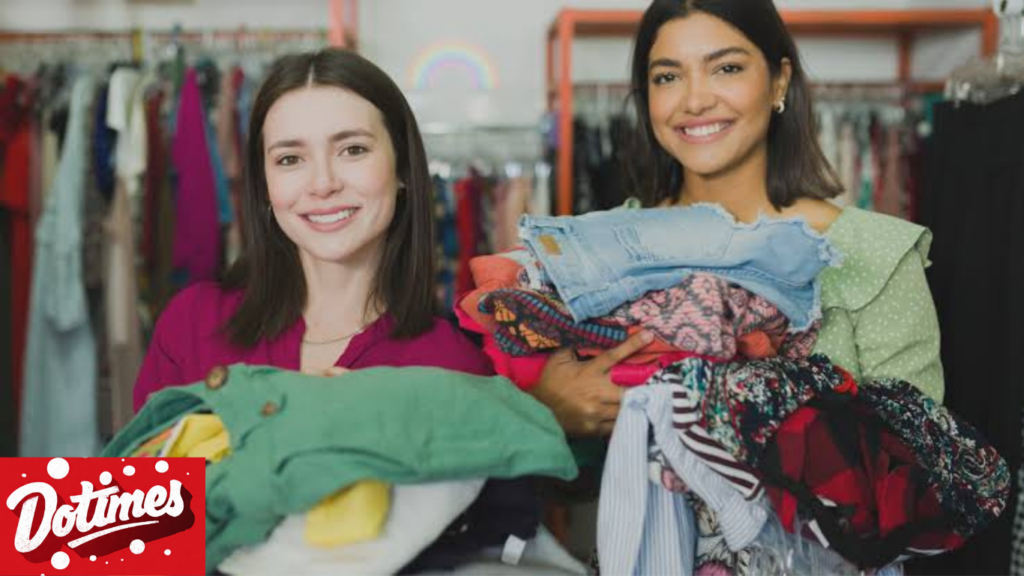

Let’s be honest — there’s nothing quite like walking into a thrift store and walking out with a designer jacket for five dollars. That feeling? Absolutely priceless. Thrift shopping has gone from being something people did quietly out of necessity to a full-blown cultural movement embraced by fashionistas, eco-warriors, budget-conscious families, and everyone in between.
With the right thrift shopping tips in your back pocket, you can transform what might feel like a chaotic pile of secondhand stuff into a treasure hunt that saves you money, helps the environment, and seriously levels up your personal style. Whether you’re a complete newbie or someone who’s been thrifting for years, this guide is packed with strategies, tricks, and insider knowledge that’ll make every visit to the thrift store a win.
So, buckle up — because we’re diving deep into the world of secondhand shopping, and it’s going to be one exciting ride.
Understanding the Thrift Store Landscape
Before you even step foot inside a thrift store, it helps to understand what you’re walking into. Not all thrift stores are created equal, and knowing the difference can save you both time and frustration.
There are generally three main types of secondhand stores:
- Charity thrift stores (like Goodwill or Salvation Army): These donate proceeds to social causes. Items are priced low, and stock rotates frequently.
- Consignment shops: Sellers get a percentage of the sale price. Expect better-curated inventory at slightly higher prices.
- Vintage boutiques: Specialty stores that focus on rare, high-quality, or era-specific items. Prices can be higher, but so is the quality.
Understanding which type of store you’re visiting sets your expectations correctly. A charity thrift store might have a mismatched jumble of donations, while a consignment shop may feel more like a boutique. Both are wonderful in their own right — you’ve just got to know what you’re working with.
The Golden Rule: Go With a Plan, But Stay Flexible
Here’s where a lot of new thrifters go wrong — they walk in with no idea what they’re looking for and get overwhelmed. Or worse, they’re so rigid in their list that they miss out on unexpected gems.
The sweet spot? Go in with a loose plan.
Ask yourself:
- Do I need any basics right now (jeans, a blazer, white shirts)?
- Is there a particular style I’m trying to build toward?
- Am I shopping for my home, my wardrobe, or a specific occasion?
Having a mental framework helps you stay focused without closing your eyes to the unexpected. One of the best thrift shopping tips out there is to combine intentionality with open-mindedness. You came in looking for a winter coat, and you walked out with that plus a gorgeous ceramic vase — that’s the magic of thrifting.
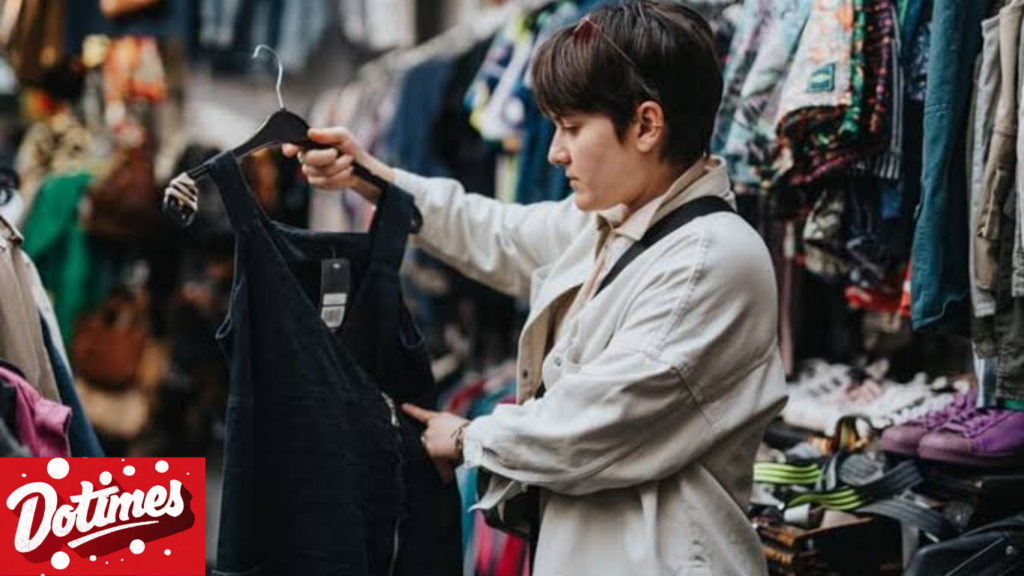
Timing Is Everything: When to Go for the Best Finds
Timing your thrift store visits can genuinely make or break your haul. Many experienced thrifters swear by specific days and times, and there’s real logic behind it.
Best days to shop:
| Day | Why It Works |
| Monday & Tuesday | Weekend donations have been processed and hit the floor |
| Mid-month | Many stores restock after end-of-month clearances |
| After holidays | People donate en masse after Christmas, spring cleaning, and back-to-school season |
| Early morning | You beat the competition and get first pick of fresh stock |
Avoid weekends if you can — they’re the busiest times, and the good stuff tends to get picked over quickly. Going on a quiet Tuesday morning? That’s how you find the gold.
Also, pay attention to your local store’s restocking schedule. Many Goodwill locations, for example, restock on specific days. A quick, friendly chat with a staff member can reveal this insider info — and trust us, it’s worth asking.
Dress Smart and Come Prepared
This might sound like a small thing, but what you wear to a thrift store genuinely matters. Here are some practical tips:
- Wear form-fitting, easy-to-remove layers. Fitting rooms aren’t always available, so being able to quickly try something on over your clothes is a huge plus.
- Bring a tape measure. Sizing in thrift stores is all over the place since clothes come from different decades and manufacturers. A tape measure takes the guesswork out of it.
- Carry a tote bag. Having your hands free makes browsing so much easier.
- Charge your phone. You’ll want to do quick price checks, look up brand values, and maybe snap reference photos of items you’re unsure about.
- Wear comfortable shoes. You’ll be on your feet and moving around — comfort is key.
Coming prepared isn’t just about convenience. It’s about putting yourself in the best possible position to spot great finds before anyone else does.
Knowing What to Look For: The Art of the Find
Alright, here’s where things get really exciting. Spotting a high-value item among hundreds of ordinary ones is a skill — and like all skills, it can be learned.
Check the labels first. Brand names matter in the thrift store world. Learn to recognize quality brands at a glance. Some names to look out for include:
- Ralph Lauren, Tommy Hilfiger, Calvin Klein (classic American staples)
- J. Crew, Banana Republic (workwear and basics)
- Levi’s, Wrangler (denim)
- Le Creuset, Calphalon (kitchenware)
- Pyrex, Corningware (vintage glass and cookware)
Feel the fabric. Run your hands along the material. Natural fibers like wool, silk, linen, and cotton generally hold up better and feel more luxurious than synthetic blends. If something feels stiff, scratchy, or unusually thin, it’s probably not worth it.
Check for damage. Always inspect items closely for:
- Stains (hold them up to the light)
- Missing buttons or broken zippers
- Pilling or thinning fabric
- Tears, fraying seams, or loose hems
- Cracks or chips in dishes and décor
A small repair is often worth it — but make sure you factor in the time and cost before buying.
Thrift Shopping Tips for Building a Stylish Wardrobe
One of the most common goals people have when thrifting is to build a wardrobe that looks great without costing a fortune. Here’s how to do it strategically.
Start with the basics. Neutral colors like black, white, grey, navy, and camel are your best friends. These pieces mix and match easily, which means fewer clothes but more outfit options. A crisp white button-down or a well-fitted pair of dark jeans found at a thrift store can anchor dozens of outfits.
Think in outfits, not pieces. Instead of buying something just because it’s cheap, ask yourself: “Can I wear this with at least three things I already own?” If the answer is no, put it back.
Invest in quality over quantity. It’s tempting to buy ten items just because they’re a dollar each. But ten items you rarely wear take up space and mental energy. One perfectly fitting blazer you love? Worth infinitely more.
Don’t ignore the “wrong” sections. Sometimes the men’s section has amazing oversized flannels perfect for women. The children’s section might have tiny graphic tees that fit a petite adult perfectly. The home goods section might have scarves, fabric, or belts. Keep your eyes open everywhere.
Shopping for Home Décor and Housewares on a Budget
Thrift stores are an absolute goldmine for home goods — and honestly, this is one area where the thrift shopping tips can save you the most money.
Think about it: a brand-new picture frame costs fifteen to thirty dollars at a big-box store. At a thrift store, you might find a solid wood, genuinely beautiful frame for fifty cents. Multiply that across your entire home, and the savings are staggering.
Items worth looking for:
- Picture frames and mirrors
- Lamps and lampshades
- Vases, bowls, and decorative trays
- Bookshelves, side tables, and small furniture
- Mugs, glasses, and serving dishes
- Art prints and paintings
- Throw blankets, curtains, and pillowcases
Pro tip: Search for items with “good bones” — pieces that have a solid structure but look dated. A lamp with a tired lampshade just needs a new shade. A wooden dresser with ugly hardware just needs new knobs and a can of paint. The base item is what costs the most new, so finding it cheaply and updating it yourself is incredibly smart.
Thrift Shopping for Kids and Families
If you’re raising children, thrifting isn’t just smart — it’s practically essential. Kids outgrow clothes at lightning speed, and spending full retail price on something they’ll wear for three months before it no longer fits is, frankly, a bit of a waste.
Why thrifting works so well for families:
- Children’s clothes are often barely worn before being donated
- Toy sections frequently have items in great condition
- Books, puzzles, and educational materials are almost always available
- Baby gear (excluding car seats, for safety reasons) can be found at major savings
- School uniforms and sports uniforms are often donated in large quantities
Safety note: Always check for recalls on children’s products before purchasing secondhand. Car seats, in particular, should never be bought used because their safety history is unknown.
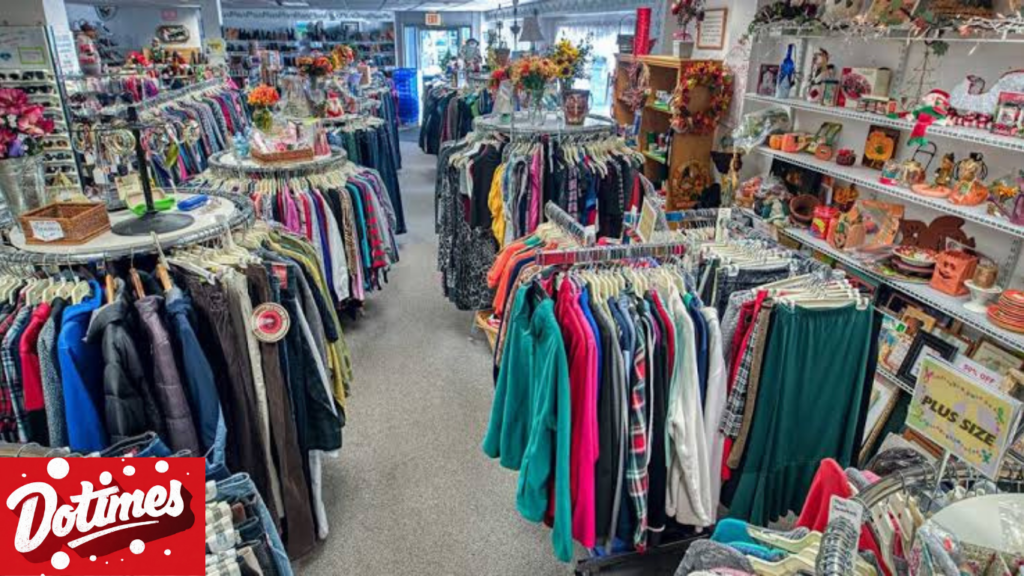
Thrift Shopping Tips for the Eco-Conscious Consumer
Let’s talk about something that doesn’t get enough attention — the environmental impact of thrifting. Every item you buy secondhand is one less item that ends up in a landfill and one fewer item that needs to be newly manufactured.
The fashion industry is one of the most polluting industries on the planet. Fast fashion, in particular, creates enormous amounts of textile waste, water pollution, and carbon emissions. When you choose to thrift instead of buying new, you’re actively pushing back against that system.
- Textile waste reduced: Buying secondhand extends the life of clothing that might otherwise be discarded.
- Lower carbon footprint: No new manufacturing means no new production emissions for that item.
- Water conservation: Producing a single cotton T-shirt requires thousands of liters of water. Thrifting sidesteps this entirely.
- Supporting local communities: Many thrift stores fund social programs, job training, and community services.
So, every time you score an amazing find at a thrift store, you can feel genuinely good about it — not just because you saved money, but because you made a choice that’s better for the planet.
Avoiding Common Thrift Shopping Mistakes
Even seasoned thrifters make mistakes. Here are the most common ones — and how to dodge them like a pro.
Buying something just because it’s cheap. The price tag can be dangerously tempting. A shirt that costs one dollar is still a waste of a dollar if you never wear it. Buy with intention.
Ignoring fit. This is the big one. A dress that’s two sizes too large might seem like a steal, but unless you plan to tailor it, it’s going to sit in your closet. Always prioritize fit over price.
Not washing items before wearing them. This should go without saying, but always wash thrifted clothing before putting it on. A good wash in warm water takes care of most concerns.
Overlooking the return policy. Many thrift stores have strict no-return policies. Make sure you’re truly happy with an item before purchasing because you might not be able to bring it back.
Rushing. Thrift shopping rewards patience. If you’re in a hurry, you’ll miss things. Block out a couple of hours, bring some good music or a podcast, and enjoy the process.
Making the Most of Online Thrifting
The world of secondhand shopping has exploded online, and it’s opened up incredible opportunities for buyers everywhere.
Platforms like ThredUp, Poshmark, Depop, and eBay allow you to search for specific items, brands, and sizes — something that’s nearly impossible to do efficiently in a physical store. This is especially useful if you’re looking for something specific, like a vintage band tee from a particular decade or a specific piece of kitchenware.
Online thrifting tips:
- Use specific search terms to narrow results
- Filter by size, condition, and price range
- Check seller ratings and reviews before buying
- Factor in shipping costs when comparing prices
- Set up alerts for items you’re searching for regularly
That said, nothing quite replaces the tactile, serendipitous joy of browsing in person. The best approach for most people is a blend of both — using online platforms for targeted searches and physical stores for those wonderful, unexpected discoveries.
Conclusion
Wow — we’ve covered a lot of ground, haven’t we? From timing your visits and knowing what to look for, to building a stylish wardrobe and shopping sustainably, these thrift shopping tips are genuinely powerful tools for anyone who wants to live better, spend less, and tread lighter on the earth.
Thrift shopping isn’t just about saving money — though it certainly does that. It’s about developing an eye for quality, making conscious consumption choices, and finding joy in the unexpected. It’s a skill that grows over time, and every visit to the store teaches you something new.
So, whether you’re heading to your local Goodwill for the first time or you’re a seasoned pro looking to sharpen your skills, keep these thrift shopping tips close. The treasure is out there — you just have to go find it. Happy thrifting!
FAQs
What are the most important thrift shopping tips for beginners?
The most important tip for beginners is to start with a loose plan. Know roughly what you’re looking for — basics, a specific item, or home décor — but stay open to surprises. Dress comfortably, inspect items carefully for damage, and always check labels for quality brands. Don’t rush, and don’t buy something just because it’s cheap. Good thrifting is about intentional, joyful discovery.
How do I find good deals at a thrift store?
Timing is everything. Visit on weekdays, especially Monday or Tuesday after weekend donations are processed. Learn your local store’s restocking schedule and shop early in the morning for the best selection. Also, spend time in every section — great finds often show up in unexpected places, like scarves in the home goods aisle or designer shoes mixed in with ordinary ones.
Is it safe to buy secondhand clothing?
Absolutely — with one simple step. Always wash thrifted clothing thoroughly before wearing it. A regular wash cycle with warm water and detergent is sufficient for most items. For delicate fabrics, follow the care label instructions. There’s no real health risk to buying secondhand clothing as long as you clean it properly before use.
How can thrift shopping help the environment?
Thrift shopping extends the life of existing items and reduces demand for newly manufactured goods. The fashion industry is a major contributor to environmental pollution, and buying secondhand directly reduces textile waste, water consumption, and carbon emissions associated with production. Every thrifted item is one less thing headed to a landfill.
What items should I avoid buying at thrift stores?
For safety reasons, avoid buying car seats, cribs, bike helmets, and other safety-critical children’s equipment secondhand, as their full history is unknown. Also be cautious with electrical items unless they can be tested in-store. Beyond safety, avoid buying clothing or shoes that don’t fit well, even at low prices — ill-fitting items rarely get worn and end up being a waste regardless of cost.